
MINDFUL MONEY / ROUTINES
Are You Paying Twice?
10 Expenses to Check Today
Small checks that could save you money — without changing your lifestyle.
BY CHOOSE HAPPY · 7 MIN READ
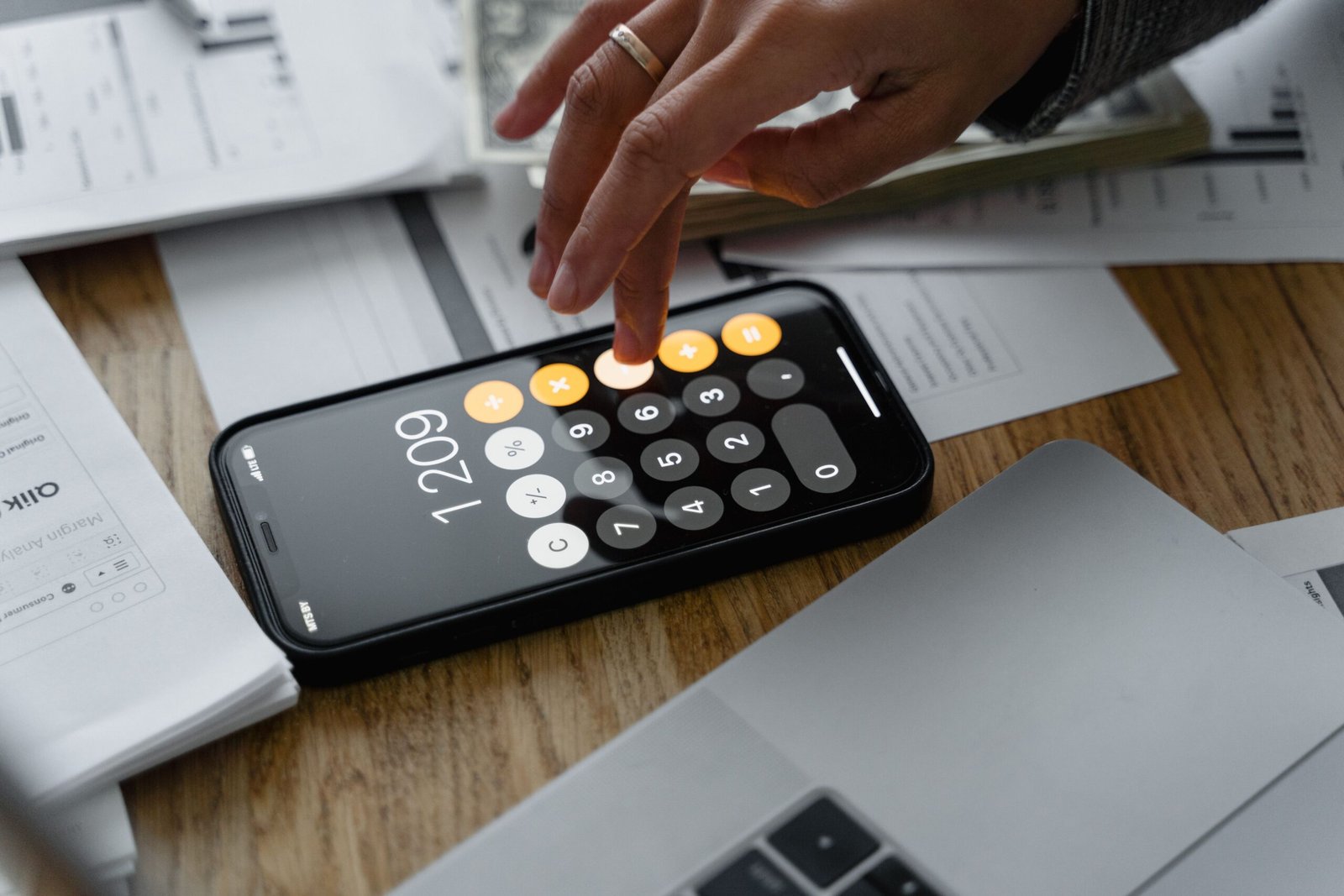
Sometimes saving money isn’t about cutting back or giving up the things you enjoy.
Sometimes, it’s simply about checking what you’re already paying for.
I realized this myself when I discovered I had been paying for Disney+ separately — even though it was already included in another package I had.
I was essentially paying twice for the same thing.
And it made me wonder: what else are we paying for without realizing we already have it somewhere else?
Subscriptions, insurance, streaming services and memberships can slowly pile up over the years. So before creating a stricter budget or trying to spend less, give your finances a quick clean-up.
Here are 10 places worth checking.
1. Check Your Streaming Services
Start by looking at every streaming service you currently pay for — Netflix, Disney+, Max, Prime Video and any others.
Then check whether any of them are already included in another package you pay for, such as your TV, internet or mobile plan.
Quick check: Make a list of your streaming subscriptions and compare it with what’s already included in your other plans. You might be paying twice without realizing it.
2. Check for Overlapping Insurance
It’s surprisingly easy to end up paying for insurance coverage you already have somewhere else.
Travel insurance is a common example. You might have a separate policy while also having travel insurance through your employer, credit card or another membership.
That doesn’t necessarily mean you should cancel one — coverage and conditions can vary. But it’s worth comparing them before paying for overlapping protection year after year.
Quick check: Make a list of your insurance policies and compare them with any coverage included through your employer, credit cards and memberships.
3. Check Subscriptions Hidden on Your Phone
Small app subscriptions can easily go unnoticed — from photo-editing and fitness apps to storage, games and forgotten free trials.
If you have an iPhone, you can quickly check yours:
Settings → Tap your name at the top → Subscriptions
Here you can see your active subscriptions and when they renew.
Go through them one by one and ask: Do I still use this enough to pay for it? If not, cancel it while you’re already there.
Quick check: Pay attention to the small subscriptions too. A few forgotten monthly charges can add up to a surprising amount over a year.
4. Check What You’re Actually Paying for in Your TV Package
TV packages can include far more than you actually use — extra channels, entertainment packages and streaming services that quietly increase the monthly price.
Take a look at your current package and ask yourself: How much of this do I actually use?
If you’re paying for a large package just to watch a few channels or services, check whether you can downgrade or customize your plan instead.
Quick check: Open your latest TV bill or account and look at exactly what your package includes. Check for add-ons you don’t use and whether a smaller package would cover what you actually watch.
5. Check Your Cloud Storage
iCloud, Google One, Dropbox and Microsoft 365 can make it surprisingly easy to end up paying for multiple storage services at the same time.
Check which ones you’re paying for, how much storage you’re actually using and whether you already have storage included with another subscription.
For example, if you’re paying for Microsoft 365, you may already have cloud storage included — while also paying separately for another storage service.
Quick check: Make a list of your paid storage plans and compare how much storage you use versus what you’re paying for. Keep what you need and check whether any of your plans overlap.
6. Check Your Mobile & Internet Plans
When was the last time you actually checked what you’re paying for?
You may be paying for more mobile data than you use, extra services you don’t need or an old plan that simply isn’t a good deal anymore.
Do the same with your internet plan. If you’ve been with the same provider for years, compare your current price and package with what’s available today.
Quick check: Look at your latest mobile and internet bills. Check your actual data usage, any paid add-ons and whether a cheaper plan would still give you everything you need.
7. Check Your Bank & Credit Card Fees
Take a look at the bank accounts and credit cards you’re currently paying for.
Are you paying an annual fee for a card you rarely use? Do you have paid extras or accounts you no longer need?
Then check the benefits that come with your cards. Some credit cards include things like travel insurance or other perks you may already be paying for elsewhere.
Quick check: Review the annual fees and benefits on each card you have. If you’re paying a fee, make sure the benefits you actually use are worth the cost — and check whether any of them overlap with services you’re paying for separately.
8. Check Memberships You’ve Forgotten About
Gym memberships are an obvious one, but don’t stop there.
Think about clubs, professional memberships, premium accounts and other services that renew automatically. Annual payments are especially easy to forget because you may only notice the charge once a year.
Go through both your monthly and annual recurring payments and ask: Do I still use this enough to pay for it?
Quick check: Look back through at least 12 months of transactions if you can. This can help you catch annual memberships and renewals that won’t show up when checking only the last few months.
9. Check Benefits You Already Have Access To
Before paying for a new service, ask yourself: Do I already have access to something similar?
Your workplace, insurance, bank, credit card, mobile provider or memberships may include benefits you’re not even aware of — from insurance and discounts to entertainment or other services.
Take a few minutes to check what’s actually included in the things you already pay for. You might discover something that can replace a separate subscription or expense.
Quick check: Check the benefits included with your workplace, bank, credit cards, insurance, mobile plan and memberships before paying separately for a similar service.
10. Review Your Last 3 Months of Transactions
Finally, open your bank account and go through your transactions from the last few months — and ideally further back if you want to catch annual payments too.
Look specifically for recurring charges you may have stopped noticing.
For each one, ask yourself:
Do I still use this?
Am I paying for something similar elsewhere?
Could I downgrade to a cheaper plan?
Is this already included in another service or package?
You might find nothing — which is great. But you may also spot a few small payments that have quietly become part of your monthly spending.
Quick check: Start with the last three months, then look back up to a year for annual subscriptions, memberships and renewals.
Try a 20-Minute Money Clean-Up
Set a timer for 20 minutes and check:
Bank transactions → Subscriptions → Streaming → Insurance → Mobile → Internet → Memberships
For everything you find, choose one:
KEEP — I use it and it’s worth the money.
DOWNGRADE — I need it, but I don’t need my current plan.
CANCEL — I don’t use or need it anymore.
CHECK FOR DUPLICATES — I may already have this somewhere else.
Then add up what you’ve saved.
Even finding one unnecessary $15 monthly subscription means keeping $180 more over the next year — without changing your lifestyle at all.
Saving Money Doesn’t Always Mean Sacrificing
Saving money doesn’t always have to mean buying less, going out less or giving up the things you enjoy.
Sometimes, the easiest place to start is simply to stop paying for things you don’t actually need to pay for.
Check what you already have. Cancel what you don’t use. Look for overlapping services. And make sure the money leaving your account is going toward things you’ve intentionally chosen.
Because mindful spending isn’t about never spending money.
It’s about making sure your money goes where you actually want it to go.